
A nano influencer is a creator with a small but loyal crowd, usually 1,000 to 10,000 followers. They are not famous. That is the point. Their followers often know them, trust them, and actually read the comments.
TLDR: Nano influencers are great for brands that want trust, not just reach. A skincare brand could work with 25 nano creators, each with 4,000 followers, and reach around 100,000 people through warmer, more personal posts. If 3% of that audience clicks, that is 3,000 visits from people who may care. Modash is better for finding and checking creators fast, while Upfluence is better if you want a bigger campaign system with ecommerce features.
What makes a nano influencer different?
A nano influencer is small on purpose. Their account may look normal. They post workouts, recipes, outfits, pets, niche hobbies, or family life. They reply to comments. They remember usernames. That matters.
Big influencers can reach millions. Nice. But many followers scroll past. Nano influencers often get more attention per follower. One post can feel like a friend saying, “Hey, I tried this. It worked.”
That kind of trust is hard to buy with ads.
- Follower range: usually 1,000 to 10,000 followers.
- Audience feel: close, niche, and personal.
- Cost: often cheaper than larger creators.
- Best for: product trials, local brands, niche products, and reviews.
- Main risk: small reach per creator, so you need more people.
Why brands care about nano influencers
Nano influencers are useful because their posts feel less polished. Sometimes that is good. A perfect studio ad can feel cold. A quick video from a kitchen counter can feel real.
Here is a simple example.
A coffee brand wants to sell a new cold brew. It pays one mid-size creator $2,000 for one Reel. The Reel gets 22,000 views and 180 clicks. Fine.
Now the same brand sends free product and small fees to 40 nano creators. Each creator has around 3,000 followers. Together, they reach a possible 120,000 followers. Not all will see the posts. But the comments may be stronger. The content may be more varied. The brand also gets 40 pieces of content it can study.
That is the charm. Nano campaigns are not just about one big splash. They are about many small sparks.
So where do Modash and Upfluence fit?
Finding nano influencers by hand is painful. You can search hashtags for hours and still end up with random accounts, inactive creators, or people with fake followers. It drives me crazy that a “quick search” can turn into a spreadsheet swamp.
That is why tools like Modash and Upfluence exist. They help brands find creators, check audience quality, and manage outreach. But they do not feel the same.
Modash in simple words
Modash is strong at influencer discovery and audience checks. It helps you search creators on platforms like Instagram, TikTok, and YouTube. You can filter by follower count, location, engagement rate, audience age, audience country, and more.
For nano influencer marketing, that is very handy.
You can search for creators with 1,000 to 10,000 followers. Then you can check if their audience matches your buyer. You can also spot suspicious follower patterns. That saves time and awkward emails.
Best Modash use case: You want to build a clean list of nano influencers and verify them before outreach.
- Good for: search, filtering, audience data, fake follower checks.
- Nice part: it is easy to focus on small creators at scale.
- Annoying part: you may still need your own system for deeper relationship tracking.
- Best fit: teams that care about discovery and creator quality first.
Upfluence in simple words
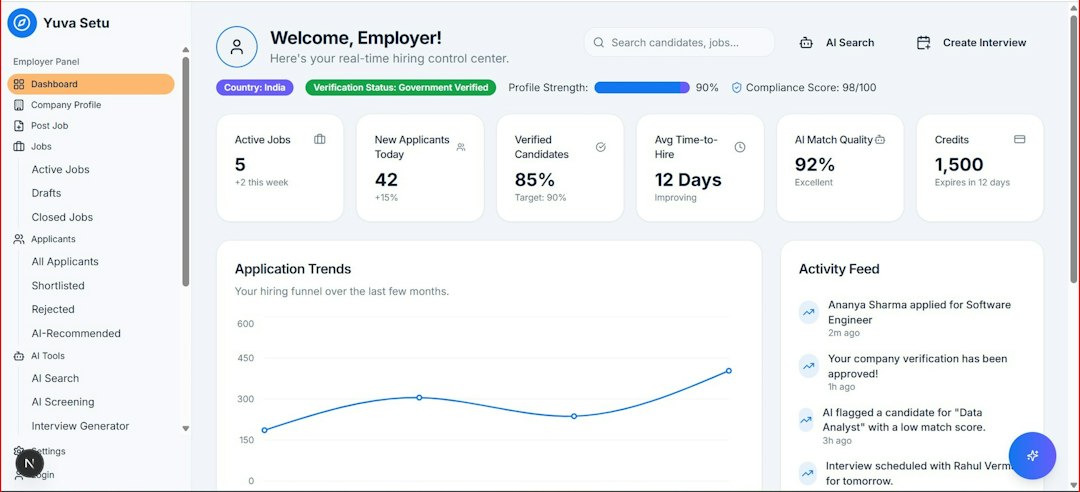
Upfluence is more of an all-in-one influencer marketing platform. It can help with creator search, campaign management, outreach, product seeding, affiliate links, and ecommerce connections.
It often makes sense for brands selling online, especially if they want influencer work tied to sales. For example, a Shopify brand may want to find creators who already bought from them. That can be powerful. A real customer can make a better creator than a stranger.
Best Upfluence use case: You want a fuller system for campaigns, creator contacts, sales tracking, and ecommerce workflows.
- Good for: campaign management, ecommerce brands, affiliate tracking, creator CRM.
- Nice part: it can connect influencer work to store data.
- Annoying part: for tiny nano campaigns, it can feel heavier than needed.
- Best fit: brands that want one place for many campaign tasks.
Modash vs Upfluence for nano influencer marketing
Both tools can help. The better choice depends on your goal.
| Need | Better pick | Why |
|---|---|---|
| Find lots of nano creators fast | Modash | Strong filters and audience checks make list building easier. |
| Check if followers are real | Modash | Audience quality is a core part of the tool. |
| Run a full campaign from one place | Upfluence | It has more built-in campaign features. |
| Connect creator work to ecommerce sales | Upfluence | It is built with online stores in mind. |
| Start lean and focus on research | Modash | It is simpler when discovery is the main job. |
How to choose without overthinking it
Pick Modash if your biggest question is, “Who should we work with?”
Pick Upfluence if your biggest question is, “How do we run and track this whole campaign?”
That is the clean split.
If you are new to nano influencers, start with the basics. You need real creators with real comments from real people. Fancy dashboards mean nothing if the creators are a bad fit.
Look at these signals before you pay anyone:
- Comments: Are people asking questions, or just posting emojis?
- Content fit: Would your product feel natural on their page?
- Audience location: Are followers in the country you sell to?
- Engagement rate: Does the audience react often?
- Past brand posts: Do sponsored posts still get interest?
A simple nano influencer campaign plan
Keep it small at first. Do not chase 500 creators on day one. That is how teams burn out.
- Set one goal. Pick awareness, clicks, content, or sales.
- Find 50 possible creators. Use Modash or Upfluence to build the list.
- Shortlist 20. Check audience fit and comments.
- Contact 10. Keep the message friendly and short.
- Test with 5. Send product, set terms, and track results.
- Repeat what works. Pay attention to clicks, saves, replies, and sales.
Expect to waste time on back and forth if your brief is vague. Say exactly what you want. Also say what creators can change. Nano influencers know their followers better than you do.
What should you pay a nano influencer?
Rates vary a lot. Some accept free products. Some charge $50. Some charge $300 or more, especially if their niche is valuable. A finance nano creator may cost more than a casual lifestyle creator. A local food creator may charge less but drive real visits.
Do not pay only by follower count. Pay for fit, content skill, and trust.
A creator with 3,500 followers and 80 useful comments can beat an account with 20,000 sleepy followers. Small does not mean weak. It means focused.
Final verdict
Nano influencers are small creators with big trust. They work best when brands care about niche reach, real reactions, and honest content.
Modash is the better pick for finding and checking nano influencers. Upfluence is the better pick for running broader campaigns with ecommerce tracking. If you are just starting, keep it simple. Find good creators. Test small. Track the numbers. Then scale the winners.