A wallet tracker is a thin Bluetooth device that helps you find a missing wallet from your phone before it becomes a lost-card emergency. Most models connect to an app, ring when nearby, and show the last place your wallet was seen. Apple’s AirTag, for example, uses Bluetooth and the Find My network to help locate personal items [source: Apple].
TLDR: A wallet tracker is a small device that slips into a wallet and pairs with a smartphone. If your wallet is within Bluetooth range, you can make the tracker ring. If it is farther away, the app usually shows the last known location, such as “left at the office at 6:42 p.m.” For someone who misplaces a wallet twice a month and spends 15 minutes searching each time, that is about 6 hours saved per year.
What Does a Wallet Tracker Do?
A wallet tracker helps answer one simple question: Where did I last have my wallet? It does this with Bluetooth, a mobile app, and in some cases a wider location network. The device is usually shaped like a card or a small tag. Card-style trackers fit better in slim wallets. Tag-style trackers may need a pocket, pouch, or key ring.
When the tracker is close, the app can make it play a sound. That is useful when the wallet is under a couch cushion, inside a jacket, or sitting in the car. When the tracker is not close, the app may show its last known location on a map.
Honestly, it feels like losing a wallet always happens at the worst time. You are late, the card reader is waiting, or you are trying to leave for work. A tracker does not solve every problem. But it can cut the panic down fast.
How Bluetooth Wallet Trackers Work
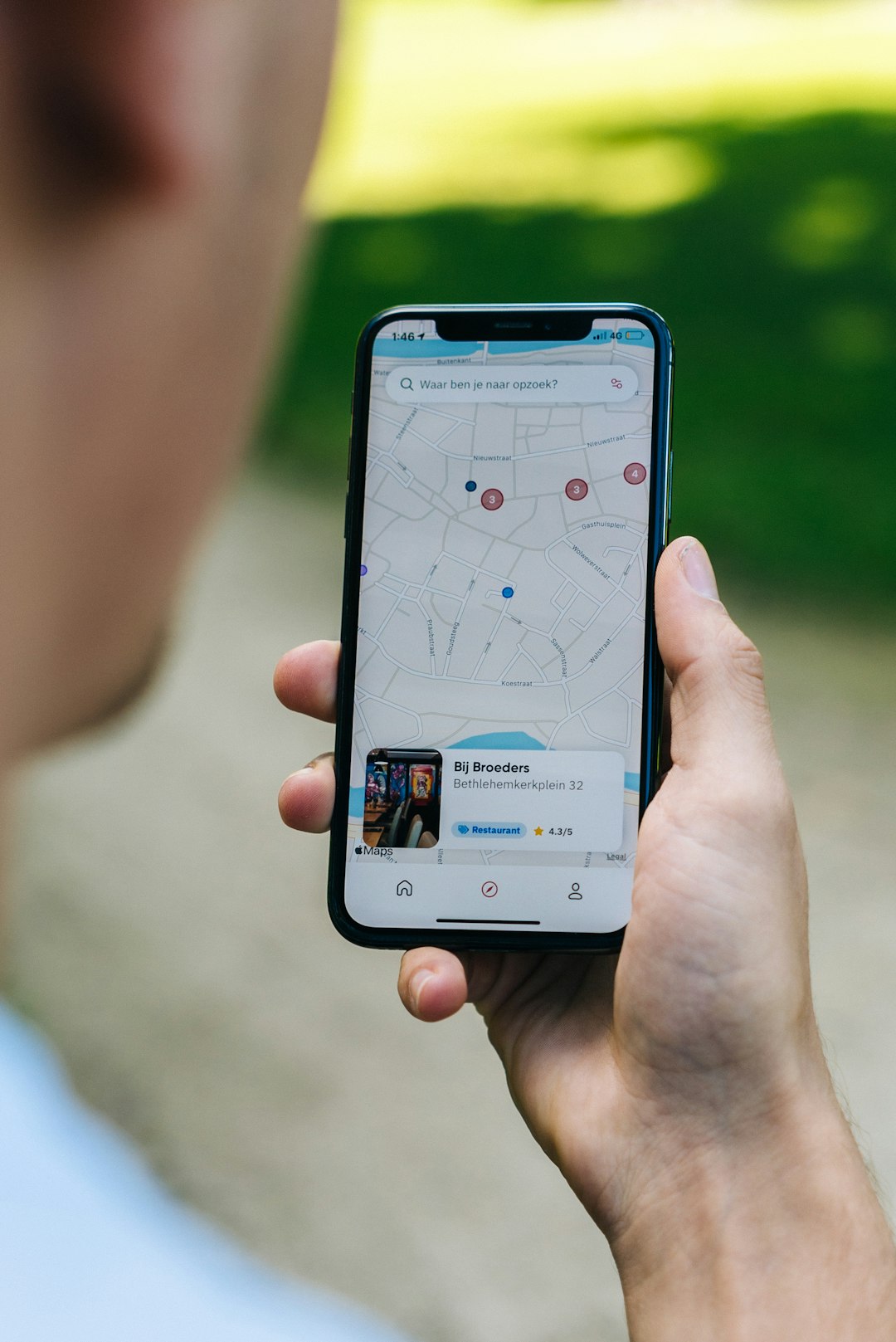
Bluetooth wallet trackers use short-range wireless signals to stay connected to your phone. When the phone and tracker are near each other, the app can send a command to ring the device. Some apps also work in reverse. Press the tracker, and your phone rings, even if it is on silent.
Many trackers also record the last place where the phone and tracker were connected. This is not the same as live GPS tracking. A wallet tracker usually does not send its location from space like a car GPS unit. Instead, it depends on Bluetooth contact with phones and app networks.
- Nearby finding: Make the tracker ring when it is within range.
- Last known location: See where the wallet was last connected to your phone.
- Separation alerts: Get a warning if you leave without your wallet.
- Community finding: Some brands use nearby phones in their network to help update location.
Key Features to Check Before Buying
Not all wallet trackers are equal. Some are excellent. Some are annoying after a week. The basics matter more than flashy claims.
- Size: A wallet tracker should be thin enough to fit without bending your cards.
- Battery life: Some last one year. Others are rechargeable. Check this before buying.
- Sound level: A quiet tracker is almost useless in a busy house or office.
- Phone support: Make sure it works with your iPhone or Android phone.
- Water resistance: Helpful if your wallet ends up near rain, spills, or gym gear.
- Privacy controls: Good trackers include anti-stalking alerts and clear account settings.
Bluetooth Tracker vs GPS Tracker
This is where people often get the wrong idea. A Bluetooth wallet tracker is not a full GPS tracker. It is smaller, cheaper, and easier to use. But it has limits.
A GPS tracker can report its location over cellular networks. That usually means a bigger device, a monthly fee, and more battery use. A Bluetooth tracker is better for everyday misplacement. Think homes, cars, offices, restaurants, and bags. It is less useful if a wallet is stolen and moved far away quickly.
The catch is that app location updates can lag. Sometimes you see a location from 18 minutes ago, not right now. That delay matters if the wallet is moving. It drives me crazy that some apps make this look more exact than it really is.
Are Wallet Trackers Safe and Private?
Good wallet trackers are designed for personal item tracking, not tracking people. Still, privacy matters. Choose brands that explain how location data works. Look for alerts that warn people if an unknown tracker is moving with them.
Bluetooth technology itself is built for short-range connections, and modern versions are designed to use low power [source: Bluetooth]. The bigger privacy question is how the tracker company handles accounts, location history, and shared network data. Read the settings. Turn off features you do not need.
When a Wallet Tracker Makes Sense
A wallet tracker is worth it if you often misplace your wallet, commute daily, travel, or carry important cards. It is also useful for older adults, students, delivery workers, and anyone who changes bags often.
It may not be worth it if you use a phone wallet case, carry very little, or already keep your wallet in one fixed place. Also, if your wallet is extremely slim, even a card tracker may feel bulky.
Simple Setup Tips
- Install the official app before inserting the tracker into your wallet.
- Pair the tracker while it is close to your phone.
- Name it clearly, such as Black Wallet or Work Wallet.
- Test the ring sound in a few rooms.
- Turn on separation alerts if the app offers them.
A wallet tracker is a practical safety net. It will not stop theft, replace bank alerts, or protect you from every mistake. But it can help you find a misplaced wallet faster and with less stress. For many people, that is enough to make it a sensible everyday tool.