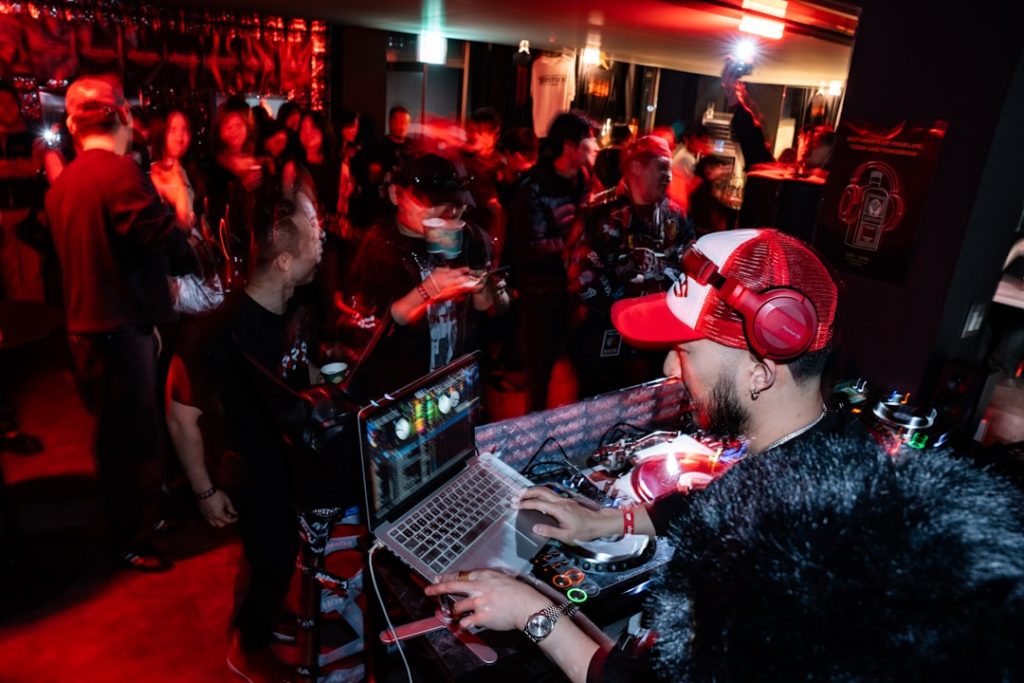
Live music mixing has evolved dramatically in the last decade, transforming from heavy hardware setups to sleek, powerful software ecosystems that run on laptops and tablets. Today’s DJs demand speed, stability, creative flexibility, and seamless integration with controllers and streaming platforms. The right software does more than just play tracks—it becomes the command center for rhythm, energy, and crowd control. Choosing the right DJ app can make the difference between a smooth, electrifying live set and a stressful technical nightmare.
TLDR: Modern DJ software delivers powerful tools for live music mixing, from advanced beatmatching and looping to real-time effects and streaming integration. Serato DJ Pro, rekordbox, and VirtualDJ stand out as three of the most versatile and reliable platforms available today. Each offers unique strengths depending on experience level, hardware preference, and performance style. Selecting the right one depends on workflow, compatibility, and creative goals.
1. Serato DJ Pro
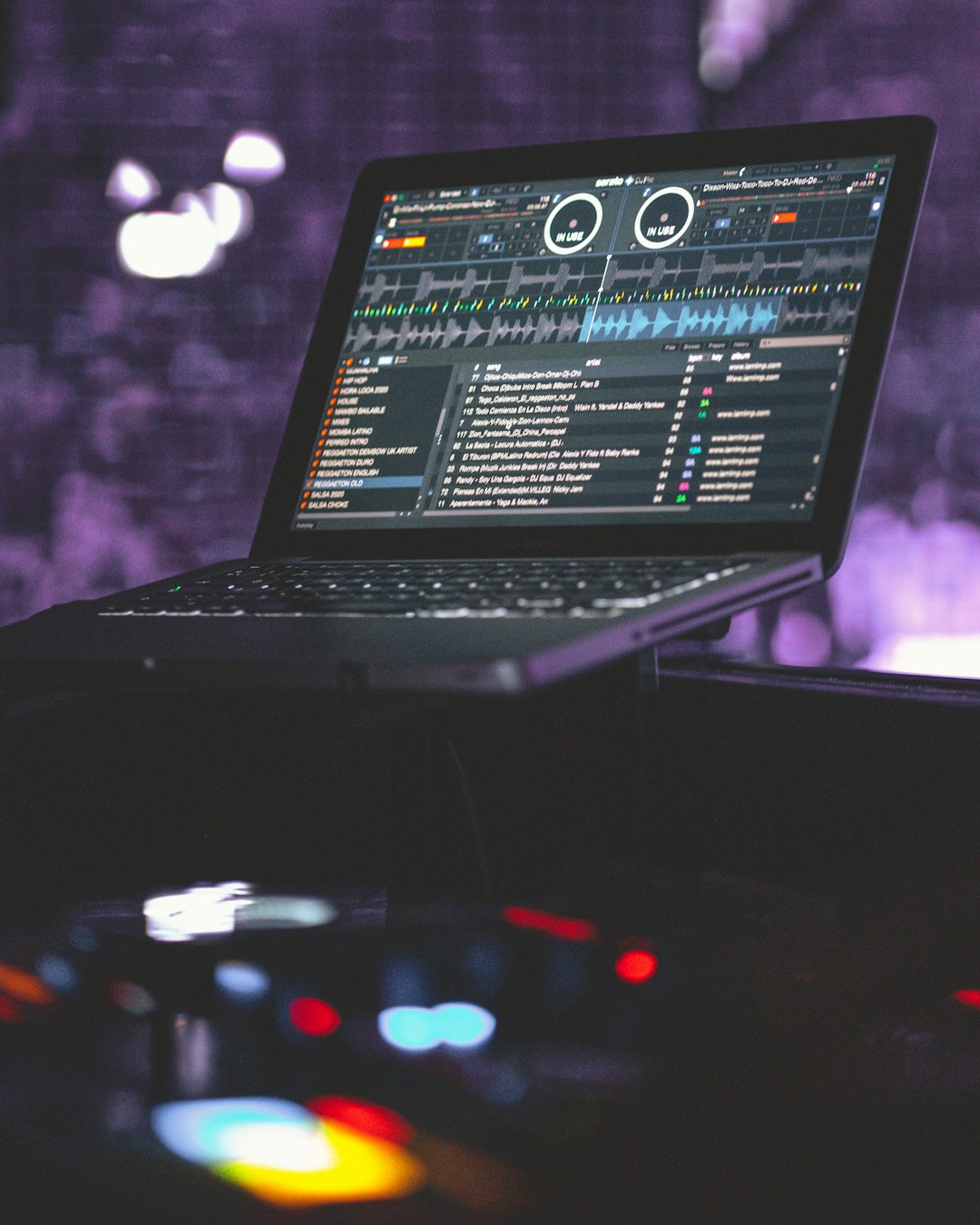
Serato DJ Pro has long been considered an industry standard among professional DJs. Known for its rock-solid stability and intuitive interface, it is a go-to solution for club performers, touring DJs, and scratch artists alike. Originally popular in hip-hop and turntablism circles, Serato has expanded into a comprehensive platform suitable for virtually every genre.
Key Features
- Highly Accurate Beatmatching: Advanced algorithms ensure precise track synchronization.
- Integration with Professional Hardware: Compatible with a wide range of controllers and mixers.
- Stems Technology: Real-time separation of vocals, drums, bass, and melodies.
- Excellent Scratch Performance: Ultra-low latency response for scratch DJs.
- Streaming Support: Access to streaming libraries for expanded track selection.
One of Serato’s standout qualities is its workflow. The layout is clean, logical, and designed for performance under pressure. DJs can rely on visual waveforms that clearly display track structure, making transitions intuitive even in dim club lighting.
Another major advantage is its hardware integration. Many professional controllers are designed specifically for Serato, meaning plug-and-play compatibility is often seamless. This reduces setup time and avoids configuration headaches before a live set.
Serato is particularly strong for:
- Turntablists
- Open-format DJs
- Club residents
- Touring professionals
While it may feel slightly premium in pricing compared to some competitors, many DJs consider the reliability worth the investment—especially in high-stakes live environments.
2. rekordbox
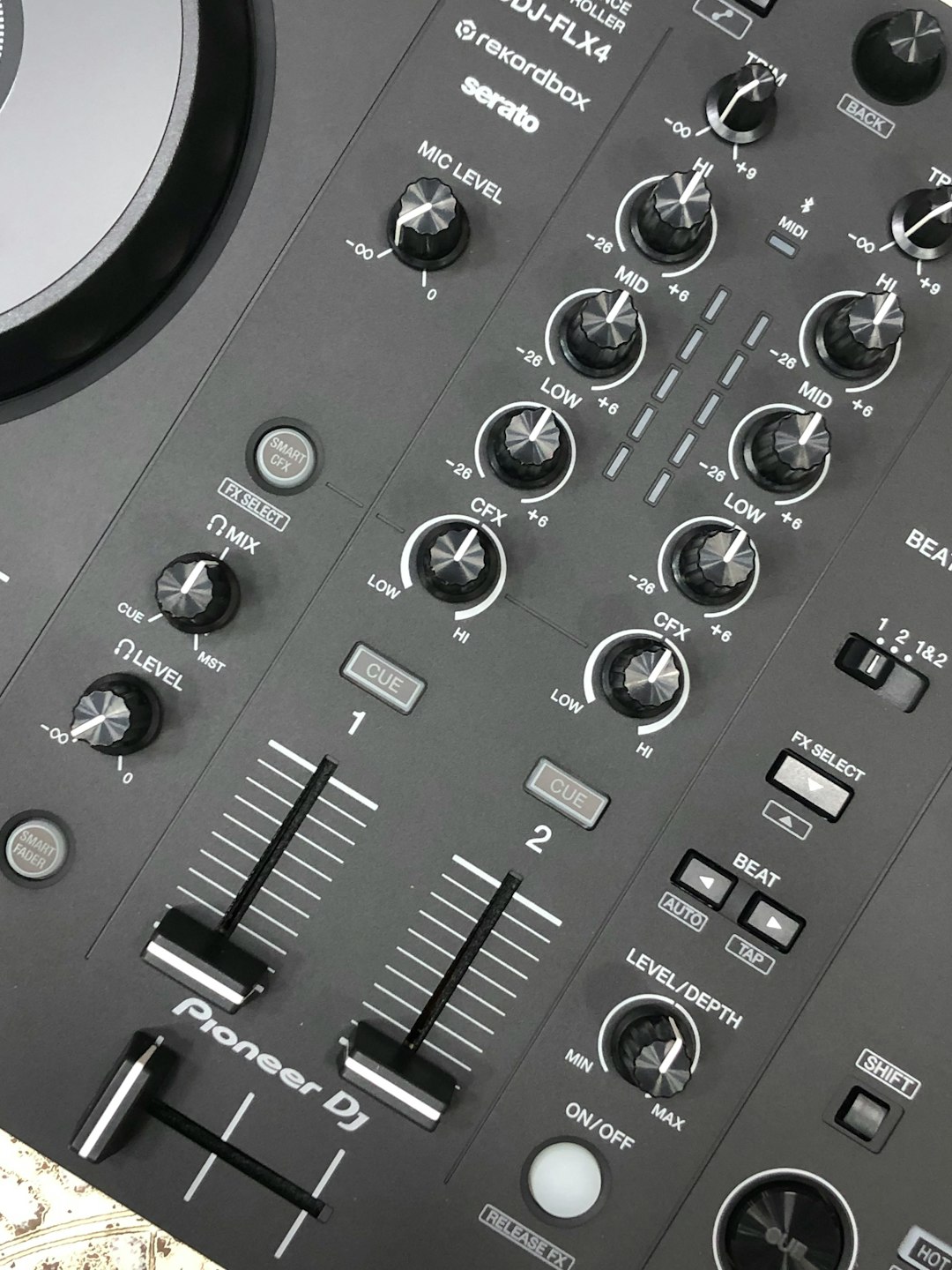
rekordbox, developed by Pioneer DJ (now AlphaTheta), has rapidly become one of the most influential DJ platforms globally. It originally started as a track preparation tool but has evolved into a full-fledged DJ performance software closely integrated with club-standard CDJs and controllers.
Key Features
- Seamless CDJ Integration: Prepare sets and export directly to USB for club systems.
- Cloud Library Sync: Access music libraries across multiple devices.
- Performance and Lighting Mode: Integrated lighting control for cohesive shows.
- Advanced Track Analysis: Phrase detection and structure recognition.
- Stems and Creative Effects: Enhanced real-time remixing capability.
One of rekordbox’s greatest strengths is its ecosystem. Many clubs around the world are equipped with Pioneer CDJs, meaning DJs who prepare their music in rekordbox can simply plug in a USB and perform without bringing a laptop. This makes it a top choice for DJs who frequently perform in established venues.
The software also offers robust track organization tools. DJs can create intelligent playlists, color-code cues, and analyze track energy levels for better set planning. For performers who value preparation as much as performance, rekordbox delivers exceptional control.
rekordbox is especially ideal for:
- Festival DJs
- Club performers using CDJs
- Electronic dance music artists
- DJs who value structured set planning
Its lighting mode is a unique bonus, allowing synchronization between music cues and DMX lighting setups. For mobile DJs and event professionals, this feature adds production value without requiring separate lighting software.
3. VirtualDJ
VirtualDJ stands out as one of the most versatile and accessible DJ software platforms on the market. It has evolved significantly from its early days and now competes directly with the biggest names in professional DJ software.
Key Features
- Wide Hardware Compatibility: Works with nearly any controller on the market.
- Advanced Stems and AI Tools: Real-time vocal and instrumental isolation.
- Video Mixing Capabilities: Ideal for DJs who mix visuals and music.
- Customizable Interface: Adjust layout to match workflow preferences.
- Beginner-Friendly Mode: Accessible learning curve for new DJs.
One of VirtualDJ’s biggest advantages is flexibility. Unlike some platforms tied closely to specific ecosystems, VirtualDJ supports an enormous array of hardware devices. This makes it attractive for DJs who frequently switch controllers or upgrade gear.
Its real-time stem separation is considered one of the most advanced currently available. DJs can isolate vocals, remove instrumentals, or create quick mashups live during performances. This opens the door to creative improvisation and spontaneous remixing.
VirtualDJ also excels in video mixing. DJs performing at weddings, corporate events, or music video parties can mix video clips alongside audio seamlessly. Few competitors handle video content as fluidly.
VirtualDJ is best suited for:
- Mobile DJs
- Wedding and event DJs
- Beginner DJs
- Creative remix artists
Its scalable pricing model allows beginners to start affordably while enabling professionals to unlock advanced features as needed.
How to Choose the Right DJ Software
While all three platforms offer powerful tools, the right choice depends on personal goals and performance settings. DJs should evaluate several factors before committing:
- Hardware Compatibility: Ensure the software works seamlessly with existing controllers or mixers.
- Performance Environment: Club, festival, home studio, or mobile events.
- Creative Needs: Stems, effects, scratch tools, or video mixing.
- Budget: Consider subscription vs. one-time purchase models.
- Ease of Use: Especially important for beginners.
Each of the three apps discussed—Serato DJ Pro, rekordbox, and VirtualDJ—can handle professional live performances. The differences lie in ecosystem integration, interface design, and creative flexibility.
DJs focused on club and festival environments may lean toward rekordbox for its CDJ compatibility. Scratch and open-format DJs often prefer Serato’s precision and reliability. Meanwhile, mobile and creative remix DJs frequently gravitate toward VirtualDJ for its flexibility and video capabilities.
Final Thoughts
Modern DJ software is more than just a digital music player—it is an instrument in its own right. From advanced beat grids and looping to real-time stem separation and synchronized lighting, today’s apps empower DJs to move beyond simple transitions and into live remix territory.
Serato DJ Pro stands out for performance reliability and scratch excellence. rekordbox shines in structured preparation and club integration. VirtualDJ leads in flexibility, accessibility, and creative video mixing.
Ultimately, the best DJ software is the one that complements a performer’s workflow and enhances their ability to connect with the crowd. With any of these three platforms, DJs can confidently step behind the decks and deliver professional-level live music mixing experiences.
Frequently Asked Questions (FAQ)
1. Which DJ software is best for beginners?
VirtualDJ is often considered the most beginner-friendly due to its intuitive interface, flexible pricing, and broad controller compatibility. rekordbox also offers accessible entry-level options with room for growth.
2. Is Serato DJ Pro better than rekordbox?
Neither is objectively better—it depends on use case. Serato excels in scratch performance and stability, while rekordbox is ideal for club DJs using Pioneer CDJ systems.
3. Can these DJ apps be used without internet access?
Yes. All three platforms allow offline mixing with locally stored music libraries. Internet access is only required for streaming services or cloud synchronization features.
4. Do these apps support streaming services?
Yes, most major DJ software platforms integrate with select streaming services, enabling DJs to access large track libraries without full downloads. Availability may vary by region and subscription plan.
5. What computer specifications are needed?
A modern multi-core processor, at least 8GB of RAM, and sufficient storage space are generally recommended for smooth live performance. Higher specs improve stability when using stems, effects, and video mixing.
6. Can DJs switch between these platforms?
Yes, but track libraries, cue points, and settings may require conversion tools or reorganization. Many professional DJs experiment with multiple platforms before settling on one primary system.
By choosing the right software and mastering its features, DJs can unlock new creative possibilities and elevate every live performance.