

Live streaming software has become an essential tool for organizations, creators, educators, and enterprises seeking to broadcast content in real time. As digital audiences grow and attention spans shrink, the ability to deliver reliable, high-quality live video is no longer optional—it is strategic. From corporate webinars and product launches to gaming streams and virtual conferences, the right broadcasting solution determines not only technical performance but also audience engagement and brand credibility.
TLDR: Live streaming software enables individuals and organizations to broadcast high-quality video content in real time across multiple platforms. The best solutions offer reliability, scalability, customization, and strong security features. Choosing the right platform depends on your technical needs, budget, and audience scale. Investing in professional-grade software ensures stable streams, better engagement, and long-term growth.
Why Live Streaming Software Matters
Modern audiences expect immediacy. Whether watching breaking news, attending a virtual event, or following a favorite influencer, viewers demand smooth playback, clear audio, and minimal latency. Substandard broadcasts quickly erode trust and push viewers toward competitors.
Professional live streaming software ensures:
- Stable video delivery with minimal buffering
- High-definition video and audio quality
- Multi-platform distribution (YouTube, Facebook, LinkedIn, custom websites)
- Audience engagement tools such as live chat and polls
- Advanced analytics for performance tracking
Beyond technical execution, live streaming software strengthens brand authority. A polished broadcast reflects professionalism, preparation, and reliability—qualities that influence purchasing decisions and build long-term loyalty.
Core Features of Effective Broadcasting Software
When evaluating live streaming software for broadcasting content, several critical features set professional tools apart from basic solutions.
1. Video Encoding and Quality Control
Encoding converts raw video into a digital format optimized for streaming. Top-tier software supports multiple resolutions, adaptive bitrate streaming, and compatibility with industry-standard codecs such as H.264 and H.265. This ensures viewers receive the best possible quality based on their internet speed.
2. Multi-Platform Streaming
Simultaneous streaming to multiple platforms expands audience reach. Instead of limiting broadcasts to a single channel, businesses can push content to social media platforms, private membership sites, and company websites at the same time.
This capability not only maximizes visibility but also diversifies audience acquisition channels.
3. Custom Branding and Overlays
Brand consistency is essential. Professional streaming software allows users to integrate:
- Custom logos and lower thirds
- Branded backgrounds and overlays
- Intro and outro sequences
- On-screen text and graphics
These elements elevate production quality and reinforce visual identity throughout the broadcast.
4. Recording and On-Demand Access
Recording live sessions enables repurposing content for marketing campaigns, training libraries, or future playback. Many platforms offer automatic cloud recording, reducing the risk of data loss.
5. Security and Access Controls
For corporate communications and paid events, security is a primary concern. Advanced platforms provide password protection, encrypted streams, tokenized access, and geographic restrictions to safeguard intellectual property.
Cloud-Based vs. On-Premise Solutions
Organizations must decide between cloud-based streaming solutions and on-premise systems. Each model presents distinct advantages.
Cloud-based software offers:
- Lower upfront costs
- Automatic updates and maintenance
- Scalability for large audiences
- Global content delivery networks (CDNs)
On-premise systems provide:
- Greater control over infrastructure
- Enhanced data privacy
- Customization flexibility
- Independence from third-party servers
For most small to medium-sized organizations, cloud-based platforms offer a practical balance of cost efficiency and scalability. Enterprises with strict compliance requirements, however, may prefer in-house solutions.
Hardware Integration and Production Quality
While software serves as the foundation, broadcasting quality also depends on proper hardware integration. Cameras, microphones, lighting equipment, and capture cards must work seamlessly with the streaming platform.

Professional-grade software typically supports:
- Multiple camera inputs
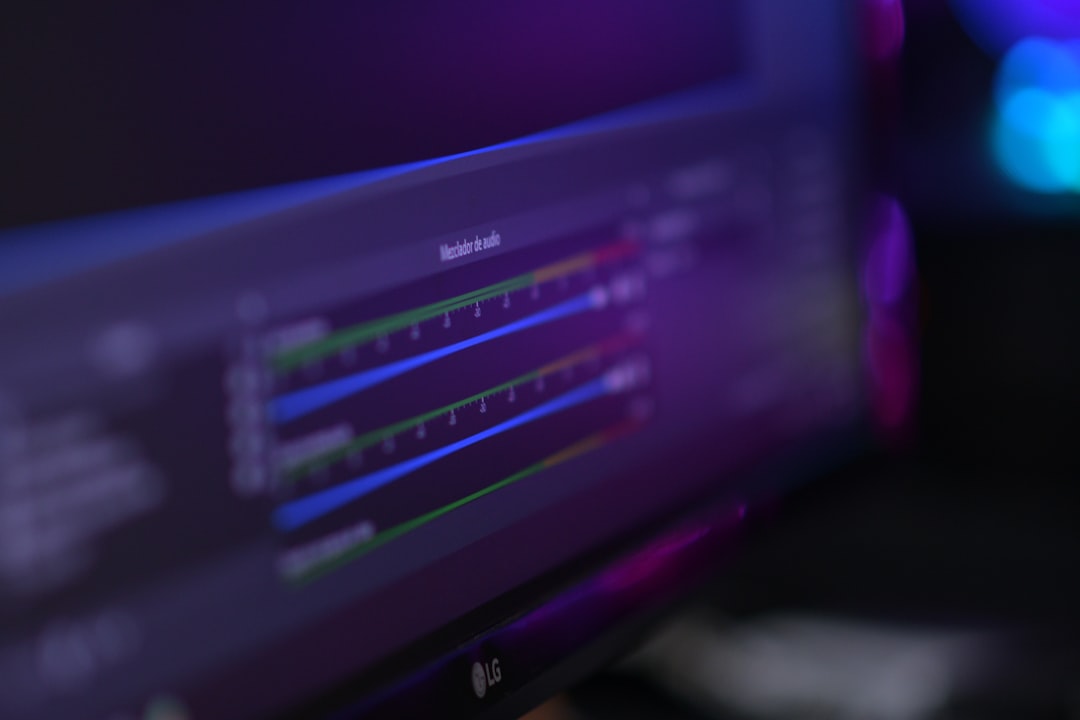
- Audio mixing consoles
- Screen capture and presentation slides
- External hardware encoders
These integrations allow for dynamic, television-level productions rather than static webcam streams. As audience expectations increase, investing in compatible hardware becomes a strategic decision rather than a luxury.
Scalability and Performance Under Load
Scalability determines whether your broadcast succeeds under peak traffic. A product launch or major event may attract thousands—or even millions—of concurrent viewers.
Reliable live streaming software leverages robust CDN networks that distribute content globally, preventing server overload and minimizing latency. Without proper infrastructure, even well-produced events can fail due to buffering or crashes.
Evaluating performance benchmarks and uptime guarantees is critical before committing to a platform.
Monetization Capabilities
For content creators and businesses alike, live streaming can generate revenue directly. Many platforms support monetization tools such as:
- Subscription models
- Pay-per-view access
- Integrated advertising
- Donation systems
- Sponsorship overlays
These features transform broadcasting software from a communication tool into a scalable revenue engine. However, monetization features must integrate smoothly with payment gateways and user authentication systems to prevent fraud and disruptions.
Analytics and Audience Insights
Data-driven decisions separate amateur broadcasting from professional strategy. Comprehensive analytics dashboards provide valuable insights, including:
- Viewer counts and peak concurrency
- Average watch time
- Geographic distribution
- Device types
- Engagement metrics
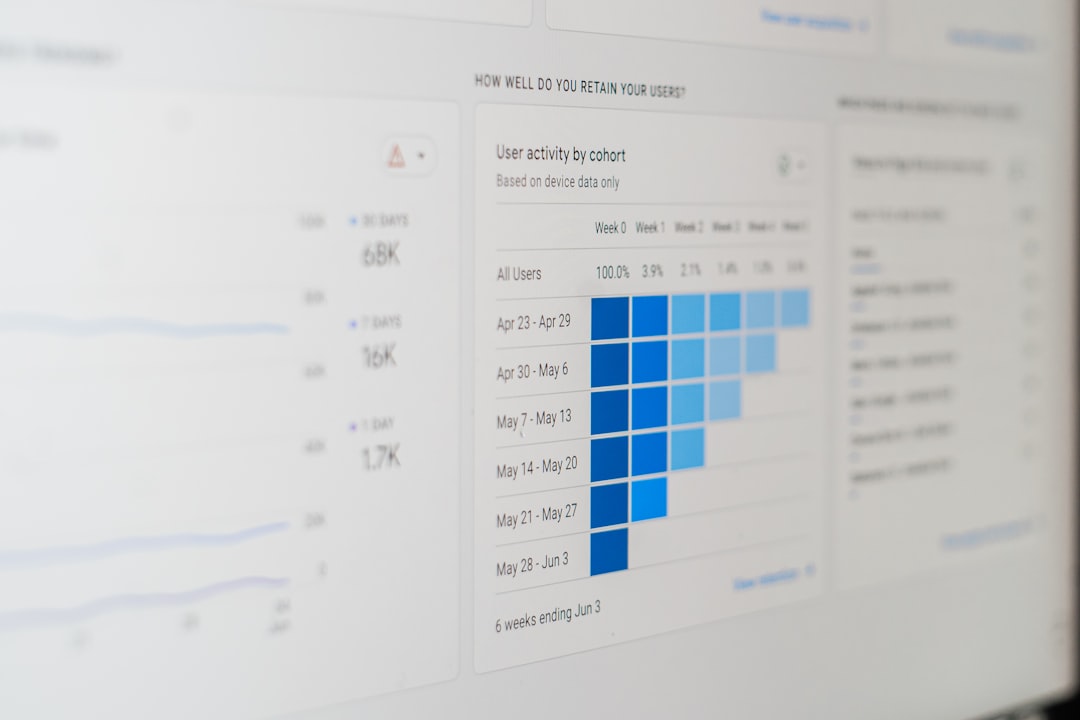
These metrics inform content optimization, marketing strategies, and scheduling decisions. For enterprises, integration with CRM and marketing automation systems enhances lead tracking and ROI measurement.
Reliability and Technical Support
Technical reliability is non-negotiable. Downtime damages brand reputation and can result in significant financial losses during paid events. Thoroughly vetting a provider’s service-level agreements (SLAs), uptime history, and customer support response times is essential.
Look for:
- 24/7 technical assistance
- Dedicated account managers for enterprise clients
- Comprehensive documentation and training materials
- Active user communities
Responsive support teams can quickly resolve encoding errors, connectivity problems, or integration issues before they escalate.
Compliance and Legal Considerations
Broadcasting content often involves regulatory obligations. Depending on industry and geographic region, requirements may include data protection regulations, accessibility standards, and copyright compliance.
Professional streaming software should offer:
- GDPR compliance support
- Closed captioning capabilities
- Secure data storage
- Digital rights management (DRM)
Failure to address these areas can expose organizations to legal risks and financial penalties.
Choosing the Right Live Streaming Software
The ideal solution depends on intended usage, audience size, technical expertise, and budget constraints. Before selecting a platform, organizations should clearly define:
- Purpose: Marketing, internal communication, entertainment, education
- Audience size: Small private group vs. global public event
- Technical resources: Dedicated IT team or solo operator
- Budget: Subscription fees, bandwidth costs, hardware investments
Testing trial versions and conducting pilot broadcasts can reveal performance limitations and compatibility issues before a full-scale rollout.
The Future of Live Streaming Technology
Emerging technologies continue to reshape broadcasting standards. Artificial intelligence enhances automatic captioning, scene transitions, and audience moderation. Low-latency protocols reduce stream delays, enabling real-time interaction. Meanwhile, 4K and even 8K streaming are gradually becoming viable as bandwidth improves.
As virtual and hybrid events gain traction, demand for dependable broadcasting software will only increase. Organizations that invest early in scalable, secure platforms position themselves ahead of competitors who rely on basic or unstable solutions.
Conclusion
Live streaming software for broadcasting content is more than a technical instrument—it is a critical infrastructure component for modern communication. Quality, reliability, scalability, and security determine whether a broadcast informs, engages, or disappoints.
By selecting professional, feature-rich software aligned with business objectives, organizations can confidently deliver compelling live content to global audiences. In an environment where digital presence defines credibility, investing in dependable broadcasting technology is not merely advantageous—it is essential.