
Spanish is one of the world’s most widely spoken languages, but successful SEO for Spanish websites requires more than translating English pages and publishing them under a new URL. Search behavior, vocabulary, cultural expectations, and regional competition differ significantly across Spain, Mexico, Colombia, Argentina, Chile, Peru, and the wider Spanish-speaking market. A serious international SEO strategy must treat Spanish not as one market, but as a group of connected markets with distinct search intent.
TLDR: Effective SEO for Spanish websites depends on localized keyword research, correct international targeting, technically sound hreflang implementation, and culturally relevant content. Avoid relying on direct translation; instead, adapt pages for each target country or region. Build authority with local signals, local backlinks, and region-specific content that matches how users actually search.
Understand the Difference Between Language and Market
A common mistake in international SEO is assuming that one Spanish version of a website can serve every Spanish-speaking audience equally well. While a single Spanish site may be appropriate for some businesses, it often limits visibility in competitive markets. A user in Madrid may search differently from a user in Mexico City, even when both are looking for the same product or service.
For example, vocabulary can vary by country. A “computer” may be searched as ordenador in Spain and computadora in much of Latin America. “Car” may be coche, auto, or carro, depending on the region. These differences affect keyword targeting, on-page copy, product categories, and even paid search alignment.

Choose the Right International Site Structure
Your URL structure sends important signals to search engines and users. The best structure depends on your business model, resources, and target markets. The most common options are:
- Country code domains: Examples include example.es for Spain or example.mx for Mexico. These provide strong geographic signals but require more maintenance and authority building for each domain.
- Subdirectories: Examples include example.com/es/, example.com/mx/, or example.com/es-es/. This is often the most practical option because authority is consolidated under one domain.
- Subdomains: Examples include es.example.com or mx.example.com. These can work, but they may require additional SEO effort compared with subdirectories.
For many companies, a subdirectory structure is the most efficient and scalable choice. However, if your brand operates independently in different countries, country code domains may make sense. The decision should be based on long-term SEO capacity, not only on what looks tidy in a navigation menu.
Implement Hreflang Carefully
Hreflang is essential for Spanish international SEO because it helps search engines serve the right version of a page to the right audience. It is especially important when pages are similar across regions, such as Spanish content for Spain, Mexico, and Colombia.
Use the correct language and country codes, such as es-ES for Spain, es-MX for Mexico, es-CO for Colombia, and es-AR for Argentina. If you have a general Spanish page not tied to a specific country, es may be appropriate. Each hreflang tag should be reciprocal, meaning every alternate page must reference the others, including itself.
Technical errors in hreflang are common and can reduce its effectiveness. Watch for incorrect country codes, missing return tags, canonical tags pointing to the wrong version, and pages that are blocked by robots.txt or noindex tags. Hreflang does not replace good localization; it only helps search engines understand your international page relationships.
Conduct Localized Keyword Research
Keyword research for Spanish websites should be performed separately for each target market. Do not translate an English keyword list and assume it reflects demand. Search volume, competition, and intent can differ dramatically between countries.
Use SEO tools that allow country-specific research, and validate findings with Google Search Console when data becomes available. Review search engine results pages manually in the target country when possible. The pages that rank will reveal whether users expect informational articles, product listings, local service pages, comparison content, videos, or marketplace results.
Pay close attention to:
- Regional vocabulary: Identify local terms and synonyms used by real searchers.
- Search intent: Determine whether the query is informational, commercial, transactional, or local.
- Formality: Some markets respond better to formal language, while others favor a more conversational tone.
- Accents and spelling: Modern search engines understand many variations, but exact usage still matters for trust and readability.
Create Content That Feels Native, Not Translated
High-quality localization is one of the strongest advantages a Spanish website can have. Users quickly notice when content has been translated mechanically. Awkward phrasing, unfamiliar terminology, and irrelevant examples reduce trust and can lower engagement signals.
Content should be adapted by native or highly proficient Spanish speakers who understand the target market. This applies to product descriptions, blog articles, calls to action, FAQs, metadata, legal pages, and customer support content. If your site sells financial, medical, legal, or technical products, expert review is particularly important.
Localized content should also address market-specific concerns. Shipping rules, payment methods, consumer rights, tax information, delivery times, and customer service expectations vary by country. Including accurate local details improves both SEO relevance and conversion rates.
Optimize Metadata and On-Page Elements
Title tags, meta descriptions, headings, internal links, and image alt text should be written specifically for each Spanish market. Avoid copying the same metadata across all Spanish pages. Search engines may see duplicated or weakly differentiated pages as less useful, especially if the content varies only slightly.
Your titles should include the most relevant localized keyword while remaining natural and persuasive. Meta descriptions do not directly guarantee rankings, but they can influence click-through rates. A credible Spanish meta description should clearly explain the value of the page and match the user’s intent.
Internal linking also matters. Link between related Spanish pages using natural Spanish anchor text. If you maintain multiple country versions, avoid sending users to the wrong market through generic links. A visitor on a Mexico page should not be pushed unexpectedly to a Spain checkout or contact page.
Build Local Authority and Trust
International SEO is not only technical. Search engines consider authority, relevance, and reputation. For Spanish websites, local trust signals can be decisive. Backlinks from respected local publications, industry associations, universities, directories, and business partners help establish credibility in a specific country.
Local citations are also important for businesses with physical locations or service areas. Ensure that business names, addresses, phone numbers, opening hours, and map listings are consistent. If your company serves multiple countries, create accurate local profiles where appropriate rather than relying on one generic international listing.
Trust elements on the website should be localized as well. Display local customer reviews, recognized certifications, secure payment methods, regional case studies, and clear contact information. In many Spanish-speaking markets, users look for reassurance before submitting a form or making a purchase.
Account for Technical Performance and Mobile Use
Mobile performance is critical across Spanish-speaking markets. Many users browse and buy primarily from mobile devices, and slow pages can seriously reduce organic performance and conversions. Optimize Core Web Vitals, compress images, reduce unnecessary scripts, and use reliable hosting or content delivery networks for international audiences.
Make sure menus, forms, filters, and checkout flows work smoothly in Spanish. Text expansion can affect design because Spanish phrases are often longer than English equivalents. Buttons, navigation labels, and forms should be tested on real mobile devices, not only reviewed in a desktop preview.
Measure Performance by Country and Page Type
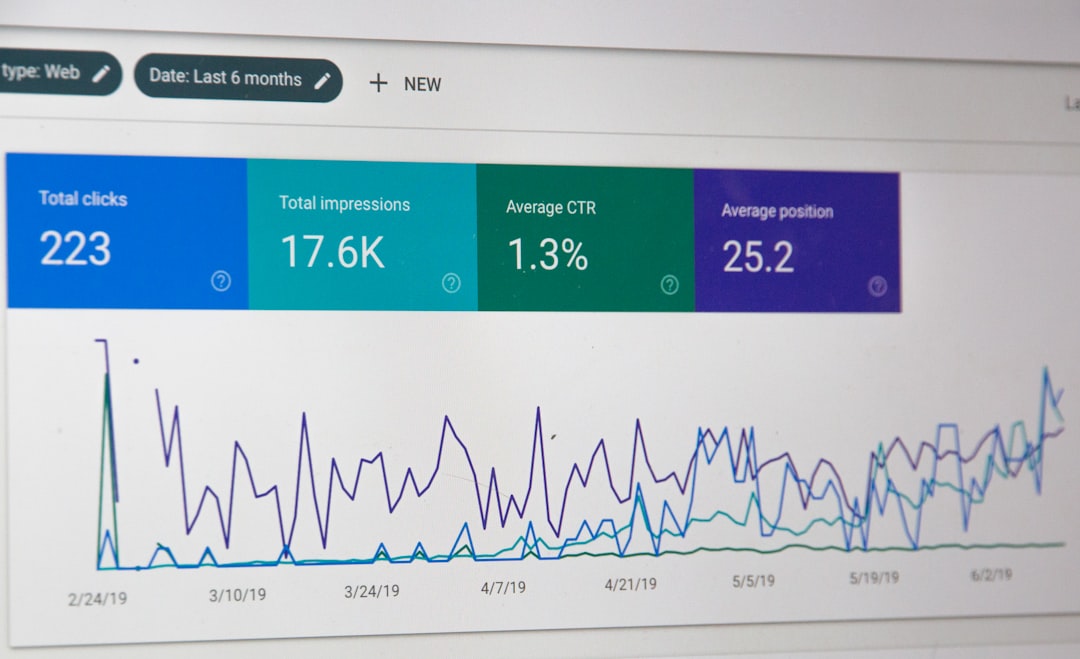
To manage Spanish international SEO properly, segment performance data. In Google Search Console and analytics platforms, review impressions, clicks, rankings, conversions, and engagement by country, language version, landing page, and query group. A general “Spanish traffic” report is not detailed enough for strategic decisions.
Look for mismatches. If users in Argentina are landing on pages intended for Spain, hreflang or internal linking may need review. If a page receives impressions but few clicks, metadata may not match local expectations. If traffic grows but conversions remain weak, the issue may be localization, pricing, payment options, or trust signals rather than rankings.
A Sustainable Approach to Spanish SEO
SEO for Spanish websites works best when it combines technical precision with cultural understanding. The strongest results come from treating each market with respect: researching how people search, writing in language they trust, and delivering a user experience that fits local expectations.
International SEO is not a one-time setup. It is an ongoing process of localization, measurement, refinement, and authority building. Businesses that invest in accurate Spanish content, correct technical implementation, and credible local signals are far better positioned to compete across Spanish-speaking markets over the long term.