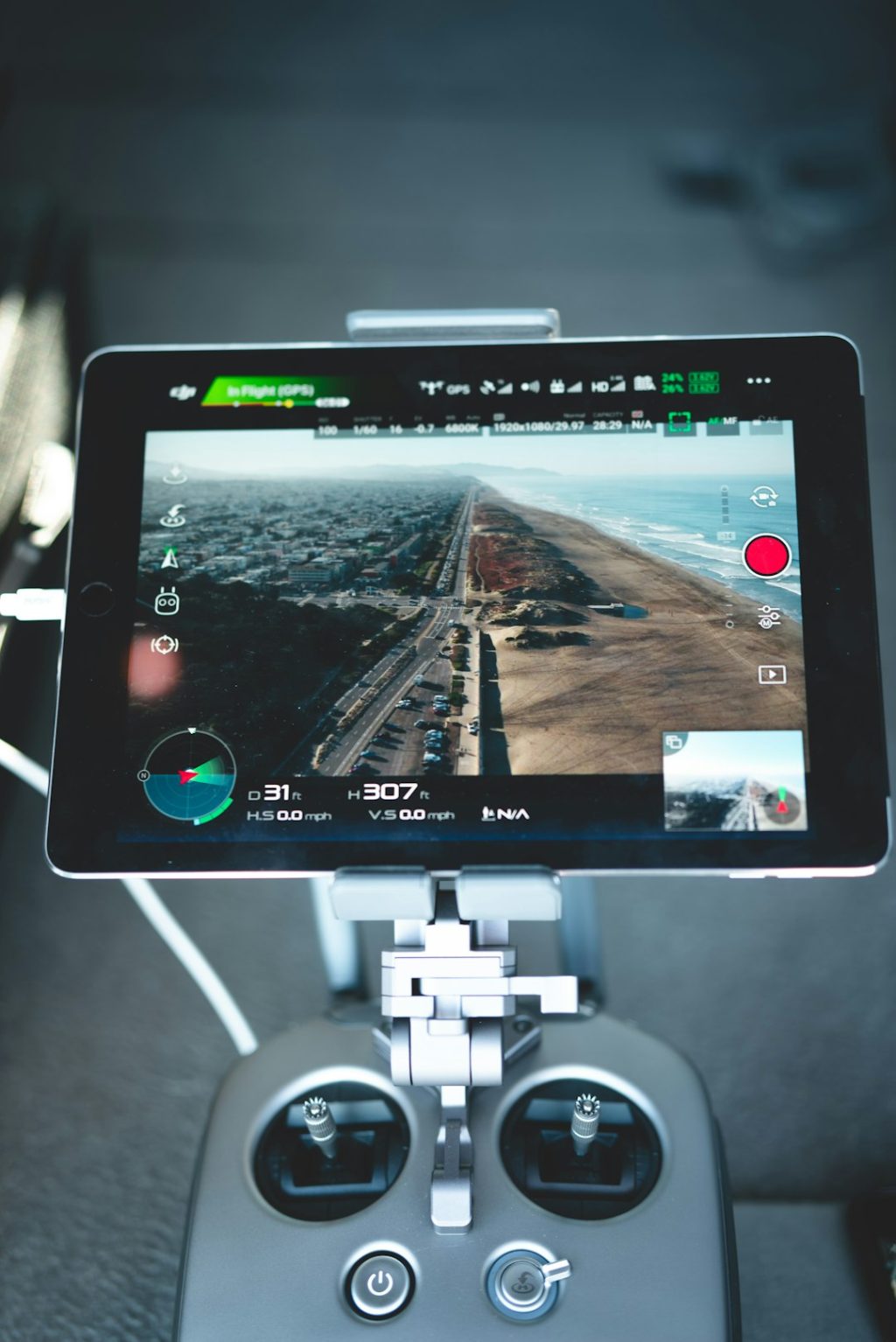
Drones are no longer just cool flying gadgets. They are serious business tools. Companies use them to inspect bridges, monitor crops, shoot films, deliver packages, and even support emergency teams. But when you manage more than one drone, things can get messy fast. Flights pile up. Batteries wear out. Pilots need logs. That is where drone fleet management tools come in. They help you track flights and performance in one simple place.
TLDR: Drone fleet management tools help you track flights, batteries, maintenance, pilots, and compliance in one dashboard. They save time, reduce errors, and improve safety. Some tools focus on compliance and airspace rules, while others focus on analytics and performance. The best choice depends on your fleet size and your goals.
Let’s break it down in a fun and simple way.
What Is Drone Fleet Management?
Think of it like mission control for all your drones.
Instead of sticky notes, random spreadsheets, and scattered flight logs, you get one clean system. It shows:
- Where each drone flew
- Who flew it
- How long it flew
- How the batteries performed
- When maintenance is due
- If you followed regulations
It turns chaos into order.
Image not found in postmetaWhy Tracking Flights Matters
Every drone flight creates data. Lots of it.
If you ignore that data, you miss opportunities.
Flight tracking helps you:
- Prove compliance with aviation authorities
- Review pilot performance
- Investigate incidents
- Optimize routes
- Cut fuel and battery costs
For example, if one drone drains batteries faster than others, the data will show it. Maybe the payload is heavier. Maybe the battery is aging. You will know quickly.
Key Features to Look For
Not all platforms are equal. Some are simple. Some are enterprise-level powerhouses.
Here are the most important features to look for:
1. Real-Time Flight Tracking
You should see active flights on a live map. This improves safety. It also helps teams coordinate better.
2. Automated Flight Logs
Manual logbooks are painful. Good software logs:
- Date and time
- Flight duration
- Location
- Pilot name
- Drone ID
All automatically.
3. Maintenance Scheduling
Drones need care. Props wear out. Motors heat up. Batteries degrade.
The system should alert you when:
- A part needs replacing
- An inspection is overdue
- A firmware update is available
4. Battery Health Monitoring
Batteries are expensive. Tracking charge cycles and health can save thousands per year.
5. Compliance Tools
Airspace rules are strict. Good tools help you:
- Check no-fly zones
- Store waivers and permits
- Maintain pilot certifications
6. Performance Analytics
This is where things get exciting.
You can analyze:
- Average flight times
- Mission success rates
- Downtime per drone
- Cost per mission
Popular Drone Fleet Management Tools
Now let’s look at some well-known tools that companies use today.
1. Airdata UAV
One of the most popular platforms.
It focuses heavily on flight logs and battery health. It gives deep insights into drone and pilot performance.
Best for: Detailed analytics and safety tracking.
2. DroneDeploy
More than just fleet management.
It combines flight planning, mapping, and fleet oversight in one system.
Best for: Companies doing inspections, construction, or agriculture mapping.
3. Aloft (formerly Kittyhawk)
Strong focus on compliance and airspace management.
It’s helpful for flight authorization and regulatory documentation.
Best for: Teams that operate in controlled airspace.
4. FlytBase
This platform focuses on automation.
You can automate missions and manage multiple drones remotely.
Best for: Enterprise operations and advanced automation needs.
5. DJI FlightHub
Designed for DJI enterprise drones.
It offers real-time monitoring and mission coordination.
Best for: Organizations heavily invested in DJI hardware.
Comparison Chart
| Tool | Best For | Flight Logging | Battery Tracking | Compliance Support | Automation |
|---|---|---|---|---|---|
| Airdata UAV | Performance analytics | Excellent | Advanced | Good | Moderate |
| DroneDeploy | Mapping and inspections | Strong | Moderate | Good | Moderate |
| Aloft | Airspace compliance | Strong | Basic | Excellent | Limited |
| FlytBase | Enterprise automation | Strong | Moderate | Moderate | Advanced |
| DJI FlightHub | DJI fleet control | Strong | Moderate | Moderate | Strong |
How These Tools Improve Performance
Performance is not just about flying well. It is about operating smart.
Fleet management tools help in three big ways:
1. Reducing Downtime
If you know a motor is close to failure, you replace it early.
No surprise crashes. No unexpected grounding.
2. Training Better Pilots
Data shows patterns.
If Pilot A has smoother landings and better battery efficiency, you can use that data for coaching.
3. Cutting Costs
When you optimize routes and manage batteries correctly, you fly fewer unnecessary minutes.
Less wear. Less maintenance. Lower costs.
Who Needs Drone Fleet Management Software?
You might think this is only for large companies.
Not true.
It is useful for:
- Construction firms tracking site inspections
- Energy companies monitoring pipelines and power lines
- Agriculture teams analyzing crop health
- Public safety departments coordinating emergency response
- Media companies managing aerial filming
If you operate more than two or three drones regularly, you need structure.
Cloud vs On-Premise Systems
Most modern tools are cloud-based.
This means:
- You can access them from anywhere.
- Data updates in real time.
- No heavy IT setup is needed.
On-premise systems exist too. They offer more control but require internal servers and maintenance.
For most businesses, cloud solutions are easier.
Security and Data Protection
Drones collect sensitive data.
Think infrastructure photos. Private property images. Critical facilities.
Good fleet tools offer:
- Encrypted data storage
- User access controls
- Audit trails
This protects both your company and your clients.
Tips for Choosing the Right Tool
Here is a simple checklist:
- Define your goal. Compliance? Analytics? Automation?
- Check hardware compatibility. Not all tools work with all drones.
- Consider scale. Will you grow your fleet?
- Test usability. If it feels confusing, your team will avoid it.
- Review pricing models. Some charge per drone. Others per user.
Do not just look at features. Think long term.
The Future of Drone Fleet Management
The future is smart. Very smart.
Expect to see:
- AI-based flight optimization
- Predictive maintenance alerts
- Automated compliance filing
- Full autonomous fleet coordination
Imagine dozens of drones launching, completing missions, uploading reports, and maintenance-checking themselves. All monitored from one screen.
That future is closer than you think.
Final Thoughts
Managing a few drones manually might work for a hobbyist.
But for business, guessing is risky.
Drone fleet management tools turn raw flight data into clear decisions. They improve safety. They boost performance. They simplify compliance. Most importantly, they give you control.
And when your drones are flying over job sites, cities, farms, or critical infrastructure, control is everything.
Smart skies start with smart management.