
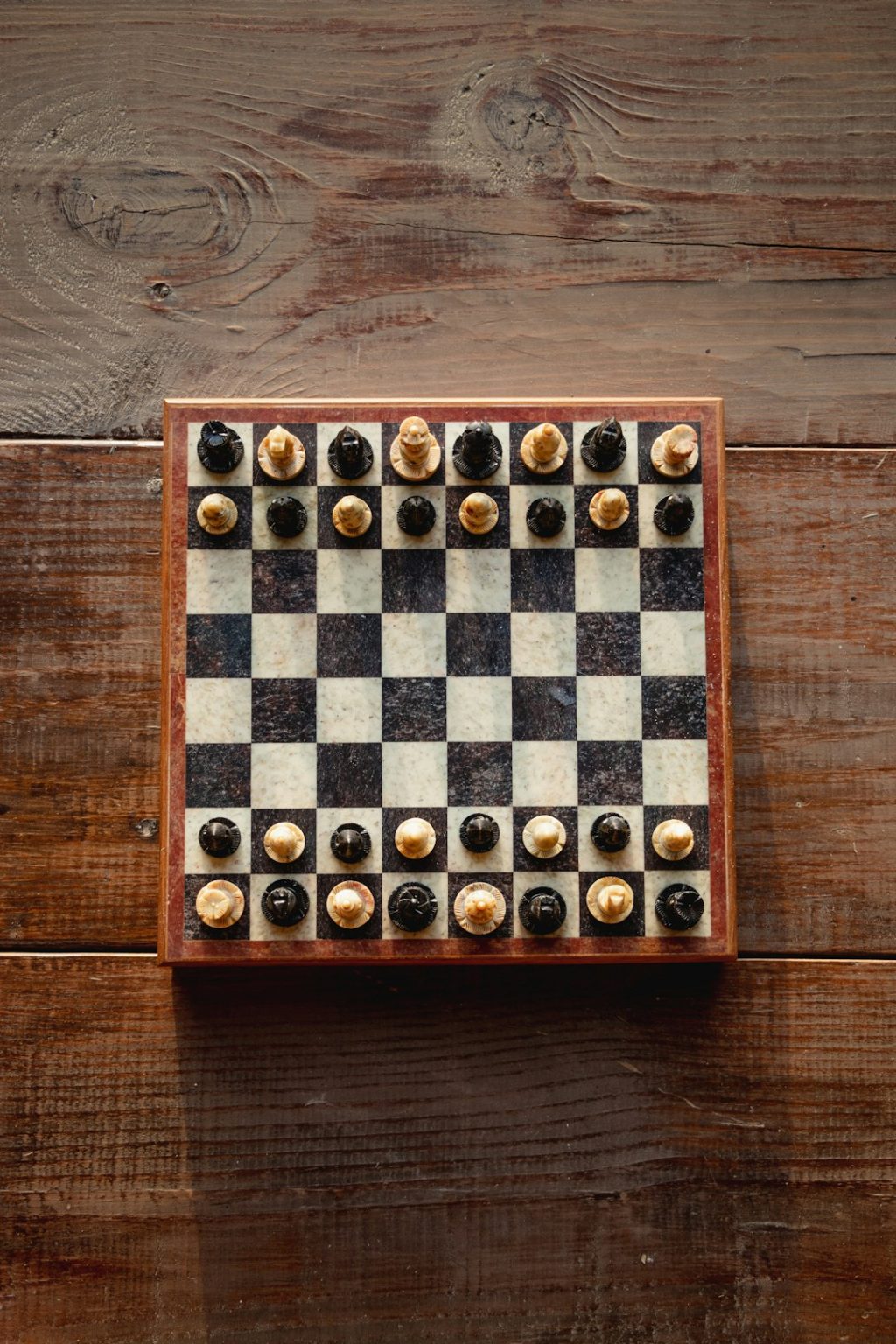
Pick Square Off if you want pieces that move by themselves, pick GoChess if you want the flashiest coaching board, and pick Chessnut if you want solid connected play with fewer gimmicks. Smart boards now make real wooden or plastic pieces work with online chess, which matters when Chess.com says it has more than 200 million members worldwide [source: Chess.com]. The big question is simple: do you want automated moves, training lights, or just a good board that records every move?
TLDR: Square Off Grand Kingdom is best for the “wow” factor because opponent moves happen on the board without your hand. GoChess is the better teaching tool, with lights, app play, and strong feedback for beginners. Chessnut boards are great for online play and analysis, but most models do not move pieces for you. Example: if you play three 10-minute games per week online, a connected board can save roughly 30 to 45 minutes of screen-only fatigue each month by keeping your eyes on real pieces.
Square Off vs GoChess vs Chessnut: the short version
These boards all try to fix the same problem. Online chess is easy, but it feels flat. A smart board brings back touch, weight, and board vision. The difference is how much “robot” you want in the experience.
- Square Off: best for self-moving pieces and remote play that feels magical.
- GoChess: best for guided learning, lights, and modern app features.
- Chessnut: best for serious connected play, game recording, and broad platform support.
1. Square Off Grand Kingdom
Best for: people who want the classic self-moving chessboard experience.
This is the board most people picture when they hear “automated chess set.” You make your move. Your remote opponent replies. Then the piece slides across the board by itself. It still feels like a small magic trick, even after you have seen it ten times.
The Grand Kingdom also works with Square Off’s app and can be used against AI. It has a premium wooden look, though it is not the fastest board to set up. Expect to waste time on app pairing now and then. It drives me crazy that a board this clever can still make you wait over 30 seconds just to get into a game.
Buy it if: you care more about physical presence than speed.
2. Square Off Pro
Best for: players who want a portable Square Off board, not robotic movement.
The Square Off Pro is a different idea. It is rollable, lighter, and easier to carry. It connects to online platforms and detects moves, but pieces do not glide around by themselves. That may disappoint buyers who assume every Square Off board is fully automated.
The upside is clear. It is more practical for travel, clubs, and casual play. You get a real board feel without dragging around a heavy wooden box.
Buy it if: you want smart tracking and portability more than self-moving pieces.
3. GoChess
Best for: beginners, coaches, and players who like visual feedback.
GoChess is the boldest rival to Square Off. It focuses on lights, guided moves, mistake alerts, and connected app play. Depending on the version, it can also support automated opponent moves. The board feels more like a training system than a simple electronic chessboard.
This is where GoChess shines. A beginner can see legal moves, suggested moves, threats, and hints. That makes it less scary than staring at a silent wooden board while a stronger player crushes you.
The catch is the same as with many app-heavy devices. Updates, Bluetooth, account logins, and firmware can get annoying. The board is smart, but your patience still needs charging.
Buy it if: you want a coach built into the board.

4. Chessnut Air
Best for: budget-friendly connected chess.
Chessnut Air is one of the easiest ways into the smart board world. It senses the pieces and sends moves to apps. It is compact, clean, and simple. You can play online, record games, or study without typing every move by hand.
It does not move pieces for you. That is the trade. But for many players, that is fine. You still get the benefit of a physical board while playing people online.
Buy it if: you want a smart board without paying for robot movement.
5. Chessnut Air+
Best for: players who like the Chessnut Air idea but want a more refined board.
The Air+ improves the experience with a nicer build and a more polished feel. It keeps the same core purpose: connected play, move detection, and analysis. It is not trying to impress guests with moving pieces. It is trying to be useful every week.
This is a good middle choice. It feels better than entry-level boards but avoids the cost and weight of large tournament models.
Buy it if: you want a neater, more premium connected board for home use.
6. Chessnut Evo
Best for: players who want an all-in-one chess computer and smart board.
Chessnut Evo is the most tech-heavy Chessnut option here. It adds a built-in screen and a more complete standalone setup. You can train, analyze, and play without depending as much on a phone or laptop.
That makes it feel less like an accessory and more like a chess station. It is not the cheap choice, and it still will not give you the same moving-piece drama as Square Off. But for study sessions, it is very appealing.
Buy it if: you study often and want fewer devices on the table.
Which one should you buy?
- For automated moves: choose Square Off Grand Kingdom or the right GoChess model.
- For teaching and hints: choose GoChess.
- For online play on a real board: choose Chessnut Air or Air+.
- For serious study: choose Chessnut Evo.
- For travel: choose Square Off Pro.
Final pick: Square Off wins on spectacle, GoChess wins on guided learning, and Chessnut wins on practical connected chess. If you want guests to say “wait, how did it do that?”, buy Square Off. If you want to get better faster, buy GoChess. If you just want a dependable board for online games and analysis, Chessnut is probably the calmer choice.