
Modern HR teams are expected to manage hiring, onboarding, payroll, performance, compliance, engagement, and workforce planning with fewer manual processes and better data. The best employee management systems help organizations centralize people operations, reduce administrative work, and give managers clearer visibility into employee needs and business performance.
TLDR: The best employee management systems for HR teams combine employee records, time tracking, payroll, onboarding, performance management, and analytics in one platform. For example, a 250-person company that replaces spreadsheets with an HR system may reduce onboarding admin time by 30% to 50% while improving compliance tracking. Top options include BambooHR, Rippling, Gusto, HiBob, Workday, Zoho People, Paycor, ADP Workforce Now, and UKG Pro, depending on company size, budget, and feature needs.
What Is an Employee Management System?
An employee management system is software that helps HR departments manage employee information and everyday workforce processes. It usually includes a central employee database, document storage, leave management, time and attendance tracking, onboarding workflows, payroll support, performance reviews, and reporting tools.
For small companies, these systems often replace spreadsheets, shared folders, and manual reminders. For larger organizations, they provide structure, compliance support, automation, and workforce analytics across multiple departments or locations.
Key Features HR Teams Should Look For
The best platform depends on the organization’s size, industry, and HR maturity. However, most HR teams should prioritize the following features:
- Centralized employee records: Stores personal details, contracts, job history, compensation data, and emergency contacts in one secure place.
- Onboarding automation: Helps new hires complete documents, training tasks, policy acknowledgments, and equipment requests before their first day.
- Time and attendance tracking: Records work hours, paid time off, sick leave, and schedules.
- Payroll integration: Connects employee data with payroll processing to reduce duplicate entry and errors.
- Performance management: Supports goals, feedback, one-on-ones, review cycles, and development plans.
- Employee self-service: Allows employees to update information, request time off, download payslips, and access documents.
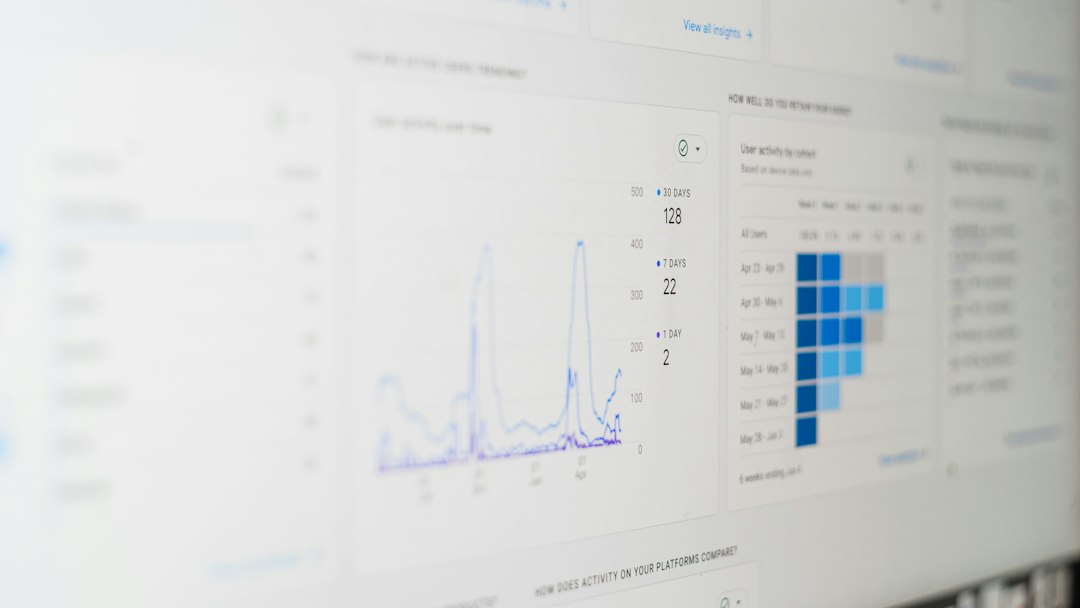
- Analytics and reporting: Helps HR leaders track turnover, headcount, absenteeism, compensation trends, and engagement.
- Compliance support: Assists with labor law documentation, audit trails, policy management, and data security.
Best Employee Management Systems for HR Teams
1. BambooHR
BambooHR is a strong choice for small and midsize businesses that need an intuitive HR platform. It is known for clean employee records, applicant tracking, onboarding, time-off management, performance tools, and reporting.
Its biggest advantage is usability. HR teams without large technical resources can usually implement it faster than more complex enterprise systems. BambooHR is especially useful for organizations moving away from spreadsheets and building their first structured HR process.
Best for: Small and midsize companies that need easy-to-use core HR, onboarding, and performance features.
2. Rippling
Rippling combines HR, IT, payroll, benefits, device management, and app access in one system. This makes it particularly useful for technology companies, remote teams, and organizations that want to automate employee lifecycle tasks from hiring to offboarding.
For example, when a new employee is added, Rippling can trigger payroll setup, benefits enrollment, app permissions, and laptop provisioning. When an employee leaves, access can be removed automatically, which improves security and reduces manual coordination between HR and IT.
Best for: Fast-growing companies that want HR and IT workflows connected.
3. Gusto
Gusto is widely used by small businesses for payroll, benefits, onboarding, and basic HR management. It is especially valued for its simple payroll interface and strong compliance support for tax filings and employee payments.
While it may not offer the same depth as enterprise HR suites, it provides enough functionality for many startups and small businesses. HR teams that mainly need payroll, benefits, and straightforward employee management may find Gusto cost-effective and easy to operate.
Best for: Small businesses that need payroll-first employee management.

4. HiBob
HiBob, often called Bob, is designed for modern, growing companies that care about employee experience, culture, and engagement. It includes core HR, onboarding, performance management, compensation tools, surveys, and analytics.
HiBob stands out because it presents HR data in a more people-focused way. It supports clubs, employee profiles, recognition, and engagement insights, making it suitable for organizations that want more than administrative HR functions.
Best for: Growing companies focused on culture, engagement, and modern employee experience.
5. Workday Human Capital Management
Workday HCM is one of the most powerful enterprise-level employee management systems. It includes workforce planning, talent management, compensation, payroll, learning, analytics, and global HR capabilities.
Workday is often selected by large organizations with complex structures, multiple locations, and advanced reporting requirements. Its implementation can require more time and budget, but it offers deep functionality for companies that need a scalable global HR platform.
Best for: Large enterprises that need advanced HR, finance, workforce planning, and analytics capabilities.
6. Zoho People
Zoho People is a flexible and affordable HR management system that works well for small to midsize businesses. It offers employee records, attendance, leave management, performance reviews, workflows, and integrations with other Zoho products.
Its customization options make it attractive for companies that want to design HR workflows around their internal processes. It may require some setup effort, but it provides strong value for budget-conscious HR teams.
Best for: Cost-conscious teams that need customizable HR workflows.
7. Paycor
Paycor provides payroll, HR, time tracking, talent management, benefits administration, and workforce analytics. It is commonly used by small and midsize organizations, particularly those with more complex payroll or compliance needs.
Paycor works well for companies that want HR and payroll to operate closely together. Its reporting tools can help HR leaders monitor labor costs, turnover, and scheduling trends.
Best for: Organizations that need payroll, HR, and workforce management in one platform.
8. ADP Workforce Now
ADP Workforce Now is a well-established HR and payroll platform for midsize to large businesses. It includes payroll, benefits, talent management, time tracking, compliance tools, and reporting.
ADP is especially strong in payroll administration and compliance support. Many HR teams choose it because of its broad service coverage, experience with regulated payroll requirements, and ability to support growing organizations.
Best for: Midsize and larger companies that need reliable payroll and compliance infrastructure.
9. UKG Pro
UKG Pro is an enterprise-grade human capital management platform that offers HR, payroll, time management, talent tools, employee engagement, and analytics. It is known for serving organizations with complex workforce needs, including shift-based and distributed teams.
UKG Pro is a strong fit for companies that require deep time and attendance functionality, scheduling, and employee sentiment tools. Its people analytics can help HR teams identify turnover risks and improve workforce planning.
Best for: Larger organizations with complex scheduling, payroll, and workforce management needs.
How HR Teams Should Choose the Right System
Choosing the best employee management system requires more than comparing feature lists. HR leaders should begin by identifying the organization’s most urgent problems. A company struggling with payroll errors may need a different platform than one focused on engagement, performance, or global compliance.
HR teams should also consider:
- Company size and growth plans: A 20-person startup may not need enterprise-grade complexity, while a 2,000-person company will likely require advanced permissions, reporting, and compliance controls.
- Integration needs: The system should connect with payroll, accounting, recruitment, learning, communication, and identity management tools.
- User experience: Employees and managers are more likely to use a platform that is simple and accessible.
- Data security: HR systems store sensitive personal and financial data, so security certifications, permissions, and audit logs matter.
- Total cost: HR teams should review subscription fees, implementation costs, add-ons, support levels, and migration services.
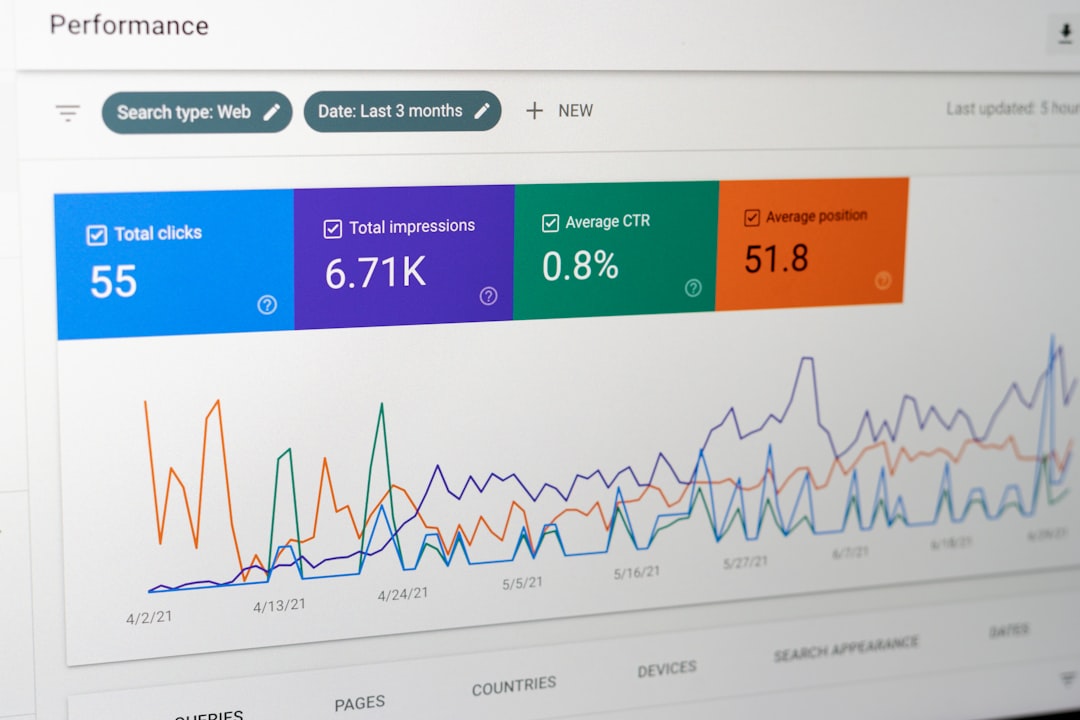
- Reporting quality: Strong analytics help HR move from administrative support to strategic workforce planning.
Which System Is Best Overall?
There is no single best employee management system for every HR team. BambooHR is often ideal for small and midsize businesses that want simplicity. Rippling is excellent for companies that want HR and IT automation. Workday and UKG Pro are better suited for large, complex organizations. Gusto is a practical choice for payroll-focused small businesses, while HiBob is strong for culture-driven companies.
The best decision comes from matching the software to the organization’s workflows, compliance obligations, employee expectations, and growth strategy. A good employee management system should not only reduce HR administration but also help managers make better decisions about people, performance, and planning.
FAQ
What is the best employee management system for small businesses?
Gusto, BambooHR, and Zoho People are strong options for small businesses. Gusto is best for payroll-focused needs, BambooHR is ideal for easy core HR, and Zoho People offers affordable customization.
What is the best HR system for large enterprises?
Workday HCM, UKG Pro, and ADP Workforce Now are commonly used by larger organizations. They offer advanced payroll, compliance, analytics, and workforce management capabilities.
Why do HR teams need employee management software?
HR teams use employee management software to reduce manual work, improve data accuracy, automate onboarding, manage compliance, track performance, and give employees better self-service access.
How much does an employee management system cost?
Costs vary widely. Small business platforms may charge a monthly base fee plus a per-employee fee, while enterprise systems often require custom pricing, implementation fees, and support packages.
What features matter most in an employee management system?
The most important features usually include employee records, onboarding, payroll integration, time-off tracking, performance management, self-service tools, reporting, and security controls.