

Traveling across Asia is exciting. The food is bold. The cities are alive. The cultures are rich and diverse. But there is one thing many travelers forget until it is too late: reliable and fast internet. In many travel situations, quick internet access is not just helpful. It becomes essential.
TLDR: Quick internet access during Asia trips can save time, reduce stress, and even keep you safe. It helps with navigation, payments, bookings, emergencies, and language barriers. From crowded cities like Tokyo to remote beaches in Thailand, staying connected makes travel smoother. A solid internet solution is not a luxury. It is a smart travel tool.
1. Navigating Mega Cities
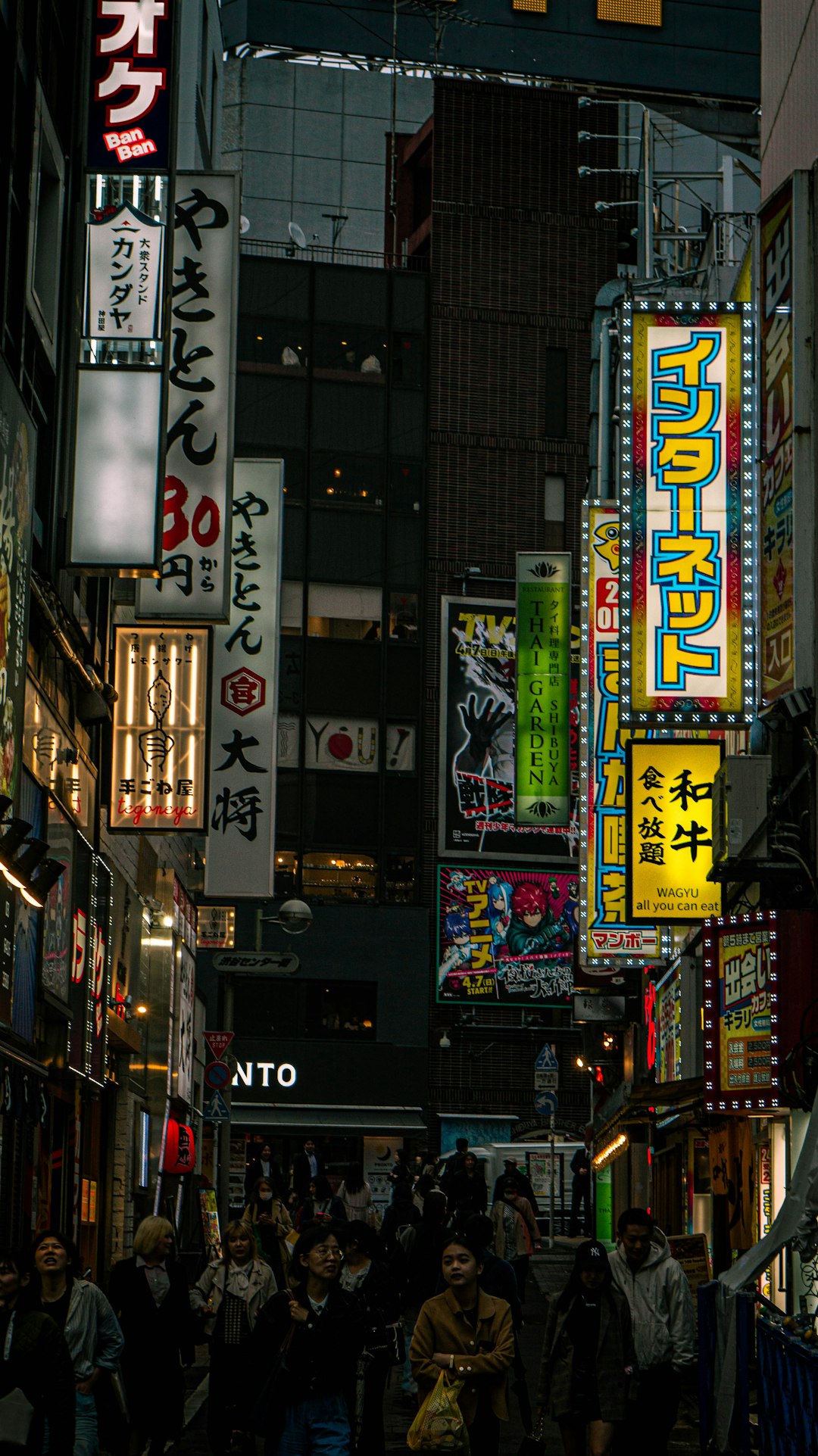
Asia is home to some of the largest cities in the world. Tokyo. Bangkok. Jakarta. Seoul. These cities are huge. Streets can look similar. Public transport maps can be confusing.
This is when quick internet becomes your best friend.
- Real-time GPS navigation keeps you from getting lost.
- Transit apps show train schedules instantly.
- Ride-hailing apps help when taxis are hard to find.
Without internet, you may end up on the wrong train. Or walking in circles under the hot sun. Fast browsing means less stress and more exploring.
2. Handling Language Barriers
Asia has hundreds of languages. English is common in some areas. But not everywhere. In rural China or local markets in Vietnam, communication can be tricky.
Quick internet lets you:
- Use translation apps in real time.
- Translate signs using your camera.
- Show hotel addresses to taxi drivers.
Imagine trying to explain food allergies without a translator. Or asking for directions in a small village. Instant access to translation tools can prevent serious misunderstandings.
3. Booking Last-Minute Transportation
Asia is perfect for spontaneous travel. You may decide to leave Bali early. Or catch a night bus in Thailand. Plans change fast.
When this happens, you need internet that works right now.
- Book flights at better prices.
- Reserve train seats before they sell out.
- Check ferry schedules during bad weather.
Some routes fill up quickly, especially during festivals or holidays. Without fast access, you might be stuck waiting for days.
4. Digital Payments and Mobile Wallets
Many Asian countries are ahead in mobile payments. In China, street vendors use QR codes. In South Korea, cards are often preferred over cash. In Singapore, digital wallets are everywhere.
If your payment app cannot connect, you cannot pay.
- Scan QR codes at food stalls.
- Transfer money instantly.
- Confirm transactions securely.
No internet can mean no dinner. Or no train ticket. Quick connectivity avoids awkward situations.
5. Emergency Situations
This is where internet becomes critical.
Imagine:
- You lose your passport.
- You need a hospital.
- You face a natural disaster warning.
Asia has areas prone to typhoons, earthquakes, and monsoon floods. Emergency alerts often come through apps and websites first.
Fast internet allows you to:
- Contact your embassy.
- Find the nearest hospital.
- Message family instantly.
In serious moments, every second counts.
6. Remote Work While Traveling
Many travelers mix work with adventure. Digital nomads love Bali. Freelancers enjoy Chiang Mai. Entrepreneurs visit Singapore.
For them, quick internet is non-negotiable.
- Join video calls without lag.
- Upload large files quickly.
- Respond to clients in real time.
Slow connections can cost money. They can damage professional relationships. Reliable access keeps both travel and work running smoothly.
7. Finding Hidden Gems
Some of the best experiences are not in guidebooks.
You might hear about:
- A secret rooftop bar in Bangkok.
- A hidden waterfall in the Philippines.
- A quiet tea house in Kyoto.
Quick internet helps you check reviews, opening hours, and directions instantly. Plans become flexible. Adventures become richer.
8. Staying Connected With Family
Long trips can make loved ones worry. Quick updates bring comfort.
- Send photos in seconds.
- Share live locations.
- Make smooth video calls.
Time zones can already make communication difficult. Slow connections make it worse.
9. Crossing Borders
Asia has many countries close together. You might travel from Malaysia to Thailand. Or from Vietnam to Cambodia. Border crossings can be confusing.
Internet access helps you:
- Check visa rules.
- Fill online entry forms.
- Download digital travel passes.
Many countries now require online registrations before arrival. Without quick access, you may face delays.
10. Choosing the Right Internet Solution
Not all internet options are the same. Picking the right one matters. Here are the most common choices for Asia trips:
- Local SIM Card
- International eSIM
- Pocket WiFi Device
- Hotel and Cafe WiFi
Comparison Chart
| Option | Speed | Convenience | Cost | Best For |
|---|---|---|---|---|
| Local SIM Card | Fast | Medium | Affordable | Single-country trips |
| International eSIM | Fast | Very High | Moderate | Multi-country travel |
| Pocket WiFi | Good | Medium | Higher | Groups |
| Hotel and Cafe WiFi | Unstable | High (when available) | Usually Free | Light users |
Each option has its strengths. If you move between countries often, an eSIM saves time. If you travel in a group, pocket WiFi helps everyone connect. Free WiFi works, but it can be slow or insecure.
11. Managing Travel Documents
Many documents are digital now.
- Boarding passes.
- Hotel confirmations.
- Travel insurance files.
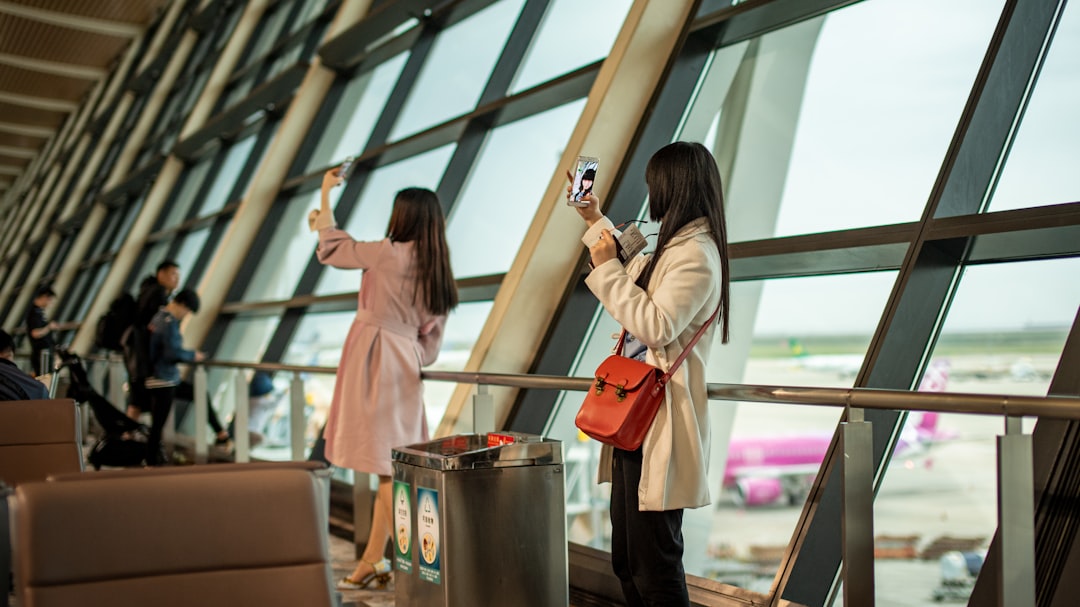
Airports in cities like Singapore or Hong Kong rely heavily on digital systems. If you cannot access your email or app quickly, check-in becomes stressful.
Cloud storage also helps. You can store passport copies online. If something is lost, you can retrieve it instantly.
12. Dealing With Unexpected Changes
Flights get delayed. Trains get canceled. Weather shifts suddenly.
Quick internet allows you to:
- Rebook accommodation.
- Adjust travel routes.
- Get compensation information.
Flexibility is powerful. But only when you can act fast.
13. Navigating Food and Health Choices
Asia offers amazing street food. But travelers sometimes have dietary needs.
- Search for halal restaurants.
- Check vegetarian options.
- Find allergy-friendly meals.
You can also locate nearby pharmacies. Or read medication instructions online. Health information at your fingertips gives peace of mind.
14. Capturing and Sharing Moments
Travel is about memories. Sunsets in Boracay. Temples in Angkor Wat. Skyscrapers in Shanghai.
Quick uploads allow you to:
- Back up photos to the cloud.
- Share moments instantly.
- Free space on your device.
If your phone is lost or damaged, cloud backups save your memories.
Final Thoughts
Asia is fast-moving. It is modern and traditional at the same time. It can be simple. It can be complex. Quick internet access helps you handle both sides.
It keeps you informed. It keeps you safe. It keeps you flexible.
You may not notice it when everything runs smoothly. But the moment something unexpected happens, you will be glad you are connected.
Before your next Asia trip, treat internet access as part of your packing list. Right next to your passport. And your sense of adventure.